
PROJETO N. º 2025-1-PT01-KA121-SCH-000322797 LANDSCAPES AROUND US – Biga – Turquia
DAY ONE – Journey from Oporto to Biga
On May 10th, we woke up early and headed to Porto Airport, full of excitement and curiosity about the adventure that awaited us in Turkey. After checking in and completing all the necessary procedures, we boarded our plane.
Our flight took off at 10:45 a.m. and landed in Istanbul at 5:25 p.m. During the flight, we were served lunch and could choose between lasagna or rice with a hamburger. We also had the opportunity to watch a couple of movies.
When we arrived in Istanbul, our first impression was the incredible size of the airport. It was enormous! In fact, it took us around 30 minutes to walk from the arrival gate to the area where we were supposed to meet our transfer. However, that was when our first adventure began. The person who was supposedly responsible for our transfer, speaking in very broken English, told us that our transport to Biga had been cancelled. We were confused and worried, as we were in a huge airport, thousands of kilometres away from home, without knowing exactly what to do next. For almost two hours, our teacher, Jorge Cidade, was constantly on the phone, speaking to several Turkish contacts and trying to find a solution. Fortunately, after many calls and conversations, he managed to arrange transportation for our group.
Finally, we began our four-hour journey from Istanbul to Biga. But the adventures were far from over. During the road trip, our van was stopped by the police three times. On the first and second police checks, the officers asked us to show our passports. Not everyone had one with them, as passports are not mandatory for European Union citizens travelling to Turkey under certain conditions. Fortunately, after some explanations, the police allowed us to continue our journey, but on the second stop it took a while to our teacher convince the policeman.
After a long and eventful day of travelling, we finally arrived in Biga, tired but relieved and excited to begin our Erasmus+ adventure. What had started as an ordinary journey had already become an unforgettable experience!
Image 1 – Turkish Airliners Plane – Porto Airport
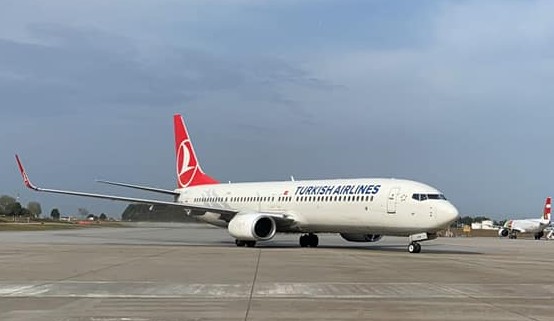
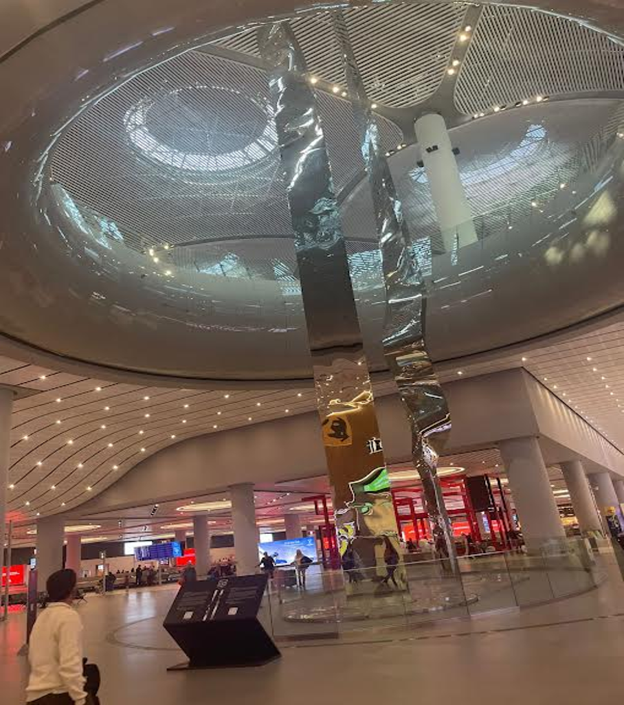
Image 2 –Istanbul Airport
Martim Carvalho and Carolina Duarte (9ºD)
DAY TWO – Our First Full Day in Biga
Our first full day in Biga began at 8:30 a.m. with a typical Turkish breakfast. Everything was different from what we are used to in Portugal, and that made the experience even more interesting. The table was full of different flavours and colours, including tomatoes, cucumbers, cheese, bread, tea and many other things that we were curious to try.
After breakfast, we headed to Mehmet Akif Ersoy Anadolu Lisesi, arriving at around 10:00 a.m. We were warmly welcomed by the school community in an official welcome ceremony, which made us feel truly appreciated and excited to begin this new stage of our Erasmus+ experience.
We then had the opportunity to take a guided tour of the school and become familiar with its different spaces and facilities. Some of the classrooms looked surprisingly similar to those in Portugal, which made us realise that, despite the distance between our countries, schools and students can have a lot in common.
One of the spaces that impressed us the most was the dance and music room. We learned that this is where students practise and learn traditional Turkish dances. It was fascinating to discover how important music and dance are in preserving Turkish culture and traditions.
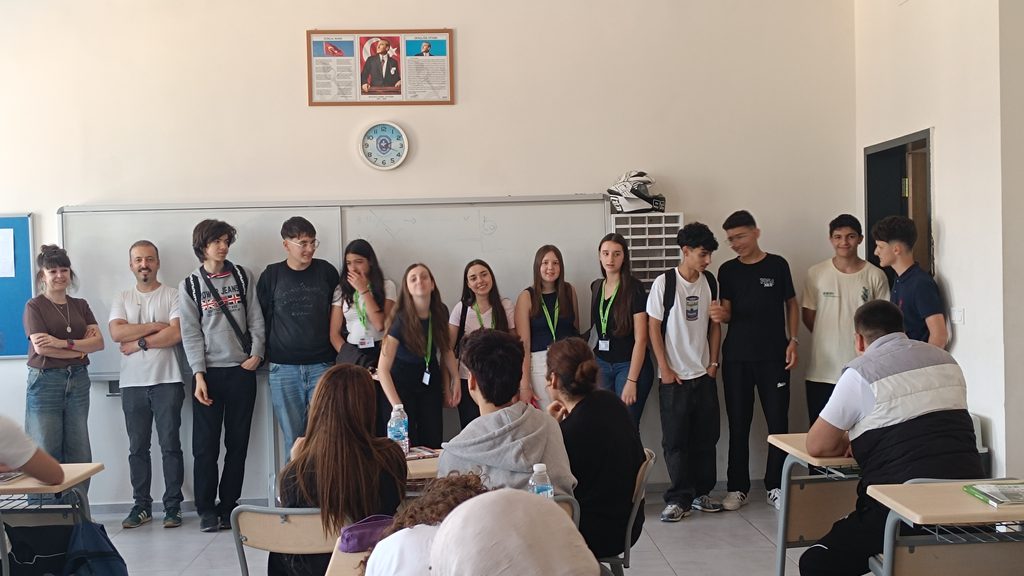
During the morning, we also took part in ice-breaking activities. At first, some of us felt a little shy and nervous about communicating in English, but those feelings quickly disappeared. Through games, conversations and shared activities, we started getting to know one another and discovering that, despite coming from a different country and culture, we had much more in common than we expected.
We were also introduced to the main objectives of the project, particularly sustainability, digital transformation and active citizenship. These themes helped us understand that this Erasmus+ experience was about much more than travelling and visiting another country. It was an opportunity to learn, share ideas, develop new skills and reflect on the role that young people can play in building a better future.
At around 12:30 p.m., we went to a restaurant for lunch, where we had Turkish pizza. Trying new food became one of the most enjoyable parts of our experience, as every meal was an opportunity to discover something new about Turkish culture.
After lunch, we had the opportunity to explore Biga and become more familiar with the city and its local culture. Walking through the city centre allowed us to observe everyday life, discover new places and experience the atmosphere of a Turkish town for the first time.
Later, we also visited a shopping centre, where we had some free time to explore, walk around and enjoy being together. Although it may seem like a simple activity, these moments gave us the opportunity to talk, laugh and slowly become more comfortable with our new surroundings.
At around 6:15 p.m., we had dinner and tried Manti, a traditional Turkish dish that was another new culinary experience for us.
To end the day in the best possible way, we travelled to Karabiga, where we spent the evening together, having some snacks, talking and getting to know each other better. By then, we were no longer just a group of students from Portugal visiting a foreign country. Little by little, we were creating new friendships, sharing experiences and making memories that we knew would stay with us for a long time.
We finally arrived home at around 1:00 a.m., exhausted after such a long and intense day. After a quick shower, we went to bed with tired bodies but happy hearts, already wondering what the next day of our Turkish adventure would bring.
Image 3 –Typical Turkish Breakfast
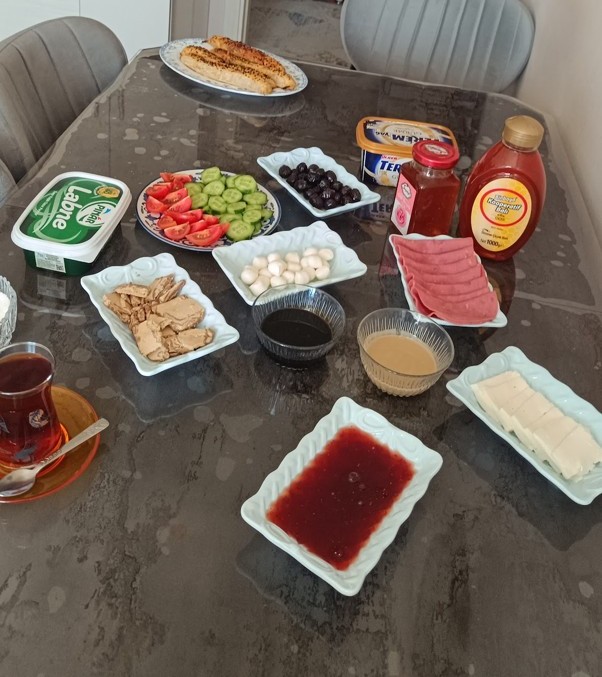
Image 4 –Turkish Dance Class
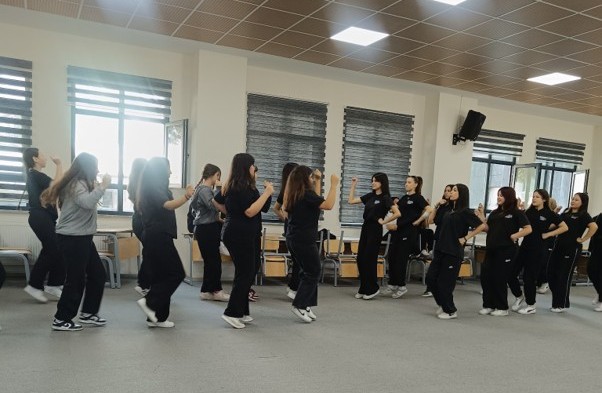
Image 5 –Turkish English Class
João Fangueiro and Maria Martins (9ºD)
DAY THREE – A Day Full of Music, Culture and Friendship
Our third day in Biga began at 9:00 a.m., when we arrived at school, already curious about what was waiting for us. Half an hour later, the school’s Spring Festival officially began, and we quickly realised that this would be a very special day.
The festival opened with a beautiful violin performance, in which one of the students hosting an Erasmus participant also took part. It was exciting to see our new friends performing and sharing their talents with the entire school community. Throughout the morning, there were many other performances, especially traditional and modern dances, which filled the school with music, energy and colour.
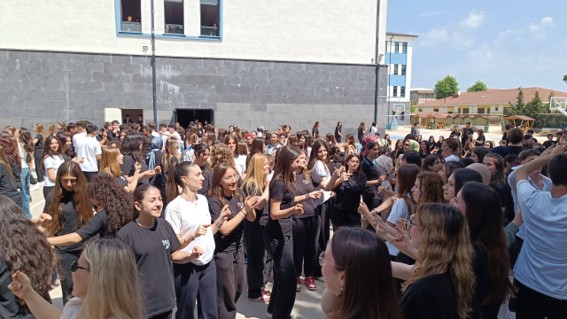
There were also several games between the performances, and, of course, we could not resist joining in. At one point, we even had the opportunity to dance a little ourselves! Although we did not always know exactly what we were doing, everyone was laughing and enjoying the moment. It was one of those situations where language was not important — music, smiles and enthusiasm were enough to bring everyone together.
Another unforgettable part of the festival was the food. There were many traditional Turkish cakes, desserts and other delicious dishes to try. Once again, we discovered that food is one of the best ways to get to know another culture. Every new flavour was another small part of Turkey that we could take with us.
After the festival, we had lunch at a nearby shopping centre. There, we also met some Turkish students who were friends with our hosts. Little by little, our circle of new acquaintances was growing, and conversations that had seemed difficult at the beginning of the week were becoming much more natural.
Later, we went to the house of Francisca’s host partner, where we spent a very special afternoon together. We sang both the Turkish and Portuguese national anthems, played bingo and took part in other activities. These moments were particularly meaningful because they allowed us to experience Turkish hospitality in a much more personal and informal environment.
At around 5:00 or 6:00 p.m., we returned to our partners’ homes. By this point, they were beginning to feel less like hosts and more like friends. Sharing meals, conversations and everyday moments was helping us understand what an international exchange is about: not simply visiting another country, but becoming part of another culture, even if only for a few days.
After dinner, the Portuguese and Turkish students met again at a café. We spent the evening talking, laughing and simply enjoying each other’s company. The language barrier that had seemed so challenging at first was slowly disappearing, replaced by gestures, jokes, shared interests and plenty of laughter.
At the end of the day, we realised that Erasmus+ is not only about schools, projects and organised activities. Sometimes, the most meaningful experiences happen in the simplest moments: sitting in a café with new friends, sharing a laugh or discovering that people from different countries can feel surprisingly close to one another.
It had been another long day, but this time we went to sleep with something even more valuable than memories of places and activities: the beginning of friendships that we hoped would last far beyond our time in Biga.
Image 6 –Turkish Dances in School
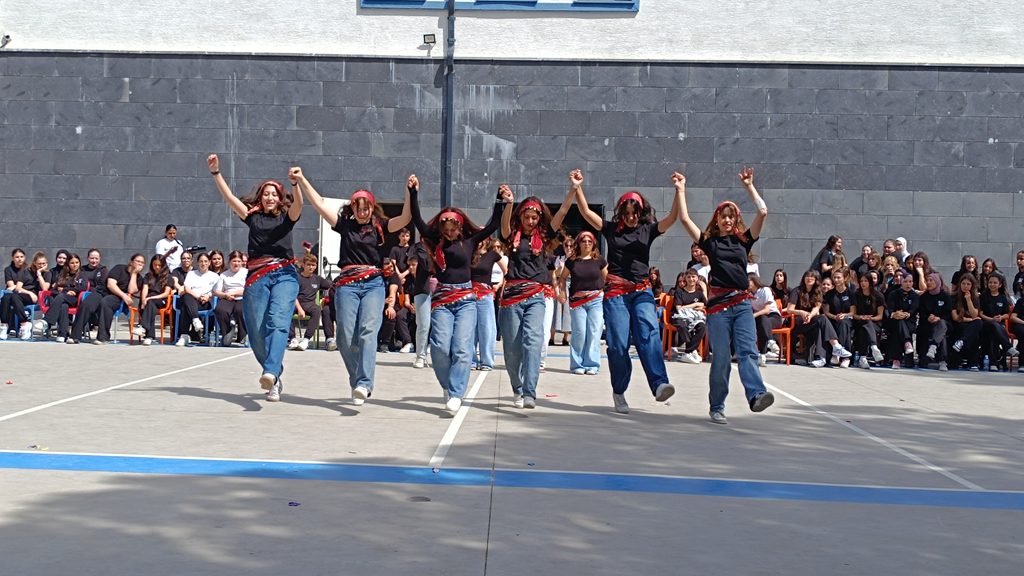
Image 7 – Get-together in school’s Spring Festival
Francisca Lima (9ºC) and Victor Sismeiro (8ºB)
DAY FOUR – Discovering Bursa: Culture, Heritage and New Experiences
Our fourth day in Turkey started early, at 8:30 a.m. We left Biga by bus, heading towards Bursa, one of the largest and most important cities in Turkey. We knew that it would be a long day, but we were excited because we were going to discover a new city and experience another side of Turkish culture.
The three-hour journey gave us the opportunity to admire the landscape and talk with our friends. Around 10:00 a.m., we stopped at a service station for a short break before continuing our journey.
Our first stop was a small village belonging to the Bursa region, Çınar Sk Gölyazı. There, we visited an Orthodox church. It was interesting to see a place of worship that, although belonging to a different Christian tradition, had several similarities with Catholic churches that we know from Portugal. We realised once again how different cultures and religions can share many common elements. We also had time to admire the beautiful Çınar Sk Gölyazı lake surrounded by vegetation. The peaceful landscape was very different from the busy environment of a large city and made us think about the importance of protecting natural areas and finding a balance between human activities and the environment.
As part of our activities related to the Green Transition and Sustainable Agriculture, we also had the opportunity to learn about the local agricultural context. We discussed some of the environmental challenges faced by rural areas, particularly the effects of climate change and the importance of adopting more sustainable farming practices. These discussions helped us understand that environmental problems are not something distant from our lives — they affect communities, agriculture and the way people live.
One of the most memorable moments of the day was discovering a traditional wish tree. We each wrote a wish on a small piece of paper and hung it on the tree, hoping that it would come true. It was a simple activity, but it became a very special moment for all of us. We laughed, shared our wishes and wondered what the future might bring. It was also a lovely symbol of our Erasmus experience: different people, different dreams, but all together on the same journey.
Before leaving the village, we had some time to visit the souvenir shops. Of course, we could not resist buying a few memories of the trip, such as magnets and keychains.
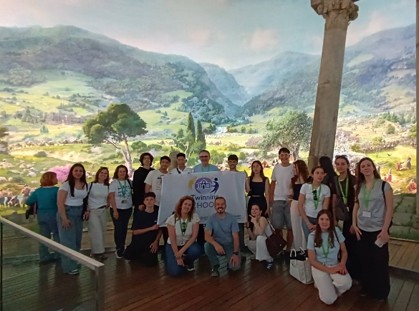
At around 11:45 a.m., we returned to the bus and continued towards the centre of Bursa. One of the highlights of the visit was the Panorama 1326 Bursa Conquest Museum. Inside, we were amazed by the enormous panoramic paintings and the incredible sense of realism. The museum allowed us to travel back in time and better understand an important part of Turkish history. We also learned more about Mustafa Kemal Atatürk, one of the most important figures in modern Turkish history.
We then continued towards the more central part of Bursa, where we visited the Grand Mosque of Bursa (Ulu Cami). Its architecture and atmosphere were impressive, and it gave us another opportunity to learn about Turkish culture, history and religious heritage.
At around 2:00 p.m., we stopped for lunch and had kebab with yoghurt. After so many new experiences, we were ready for a good meal!
In the afternoon, we explored Bursa’s famous bazaar. There were shops selling clothes, bags, souvenirs and many other products. Walking through the crowded streets, looking at the different colours and smells and listening to the sounds around us, we felt that we were truly experiencing the city rather than simply visiting it.
The visit to Bursa also made us reflect on the importance of cultural heritage and sustainable cities. Protecting historical buildings and traditions while welcoming tourists is a challenge for cities such as Bursa. We observed different examples of how heritage, tourism and everyday urban life coexist, and we recorded some of our observations through photographs and short digital notes.
Eventually, it was time to return to Biga. After another long journey, we had dinner, enjoying meatballs with salad and Pide, a traditional Turkish dish like pizza.
But the day was not over yet! After dinner, we spent some time playing table football in a games room. Later, we went to the park and played volleyball together. We also took the opportunity to celebrate Leonor’s birthday in advance. It was a simple celebration, but perhaps those are the moments we remember the most: laughing, playing, singing and simply being together.
When we finally went home, we were completely exhausted. Yet, as we looked back on the day, we realised how much we had experienced: nature, agriculture, history, religion, architecture, food, traditions, friendship and lots of laughter.
Bursa had given us much more than beautiful photographs. It had helped us understand that travelling is also about learning to look at the world differently — and that protecting our environment and cultural heritage is everyone’s responsibility.
Image 8 – Çınar Sk Gölyazı lake
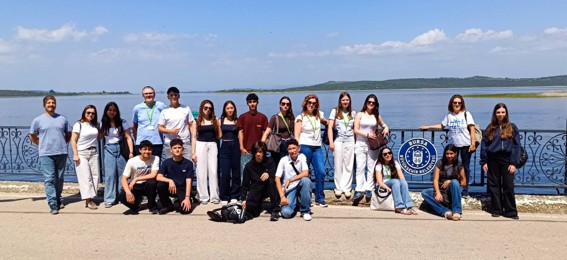
Image 9 – Panorama 1326 Bursa Conquest Museum
Íris Cidade and Leonor Pinto (9ºD)
DAY FIVE – A Journey Through History, Heritage and Peace
Our fifth day began early, at 8:00 a.m., when we arrived at school ready for another exciting adventure. This time, our destination was one of the most famous historical regions in the world: Troy and Çanakkale. We knew that it would be a long day, but we were particularly excited because we were about to visit places that we had previously only heard about in history books and ancient legends.
Our first destination was the city of Troy. For many of us, the name immediately suggested the famous Trojan Horse, the ancient Greek myths and the legendary Trojan War. However, being there in person was a completely different experience. Suddenly, history no longer felt distant or imaginary. We were standing in a place where different civilisations had lived thousands of years ago.
We began our visit at the Troy Museum, where we had the opportunity to learn more about the archaeological discoveries made in the region. One of the most impressive objects we saw was the Polyxena Sarcophagus, an extraordinary archaeological piece that helped us better understand the art, beliefs and traditions of ancient civilisations. Inside the museum, we also explored the Archaeologists’ Gallery, where we discovered more about the work involved in uncovering, studying and protecting the remains of the past. It made us realise that archaeology is not simply about finding ancient objects. It is also about preserving stories, identities and memories for future generations.
After visiting the museum, we continued to the archaeological site of ancient Troy. Walking along the pathways of the site was a truly special experience. We could see the remains of buildings and structures that had survived for centuries and imagine what life might have been like in this extraordinary place. Among the different ruins, we saw the Odeon of Troy and other archaeological remains that reminded us of the importance of protecting such valuable cultural heritage.
During the visit, we also reflected on the importance of heritage preservation and sustainable tourism. Places like Troy attract visitors from all over the world, but tourism must be managed responsibly to protect these fragile archaeological sites. We understood that visiting historical places is not only a privilege but also a responsibility.
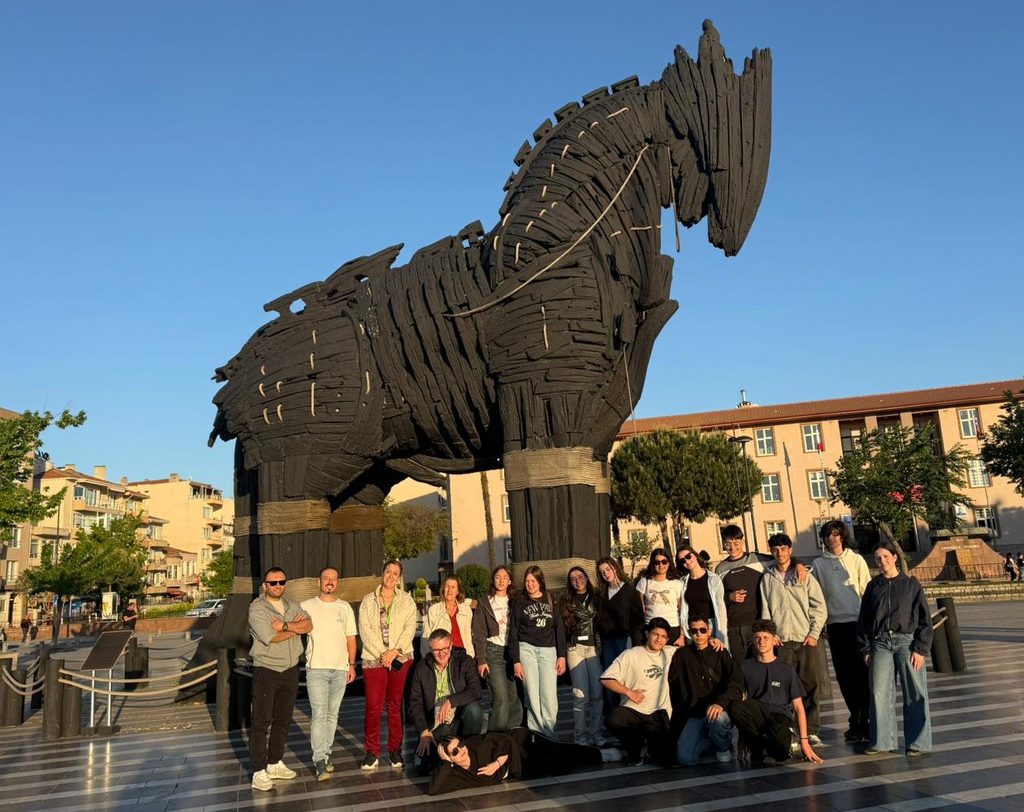
Later, we continued our journey to Çanakkale, a city strongly connected to the history of the region. One of the highlights of our visit was seeing the famous giant Trojan Horse, proudly displayed near the waterfront. Of course, we could not miss the opportunity to take photographs and enjoy one of the most iconic symbols of the city.
The visit to the Çanakkale region also allowed us to reflect on the historical importance of the Gallipoli Peninsula. This area is deeply connected with the memory of war and the enormous human suffering caused by conflict. Thinking about these events reminded us how important peace, dialogue and mutual understanding are in today’s world.
As young Europeans participating in an Erasmus+ project, this reflection felt particularly meaningful. Meeting students from another country, sharing our cultures and building friendships showed us that active citizenship begins with understanding and respecting others. History teaches us about the consequences of division and conflict, while experiences such as Erasmus+ show us the value of cooperation, friendship and peace.
After a long and memorable day, we had dinner in Çanakkale before beginning our journey back to Biga. During the journey, we were tired, but there was also a feeling that this day had been different. We had laughed, taken photographs and discovered new places, but we had also travelled through thousands of years of history.
We finally returned to Biga at around 10:00 p.m., exhausted after another intense day. However, as we went home, we carried with us much more than photographs and souvenirs. We carried stories of ancient civilisations, lessons about protecting cultural heritage and, perhaps most importantly, a renewed understanding of the importance of peace and friendship between people.
It had been a journey through the past, but it had also made us think about the future.
Image 10 – Polyxena Sarcophagus – Troy Museum
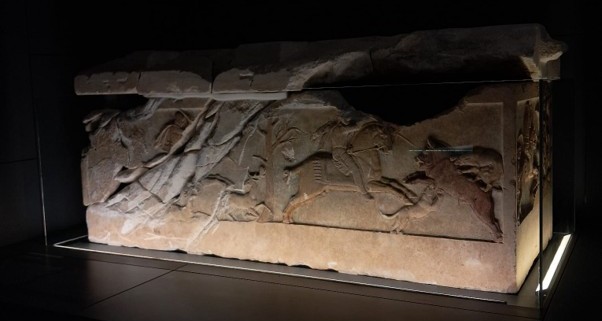
Image 11 – Trojan Worse in Çanakkale
João Fangueiro and Maria Martins (9ºD)
DAY SIX – Goodbye Biga, Hello Istanbul
Friday was a day full of mixed emotions. On one hand, we were excited about our next destination, Istanbul, one of the most fascinating cities in the world. On the other hand, we knew that we were about to say goodbye to the Turkish friends who had welcomed us into their homes, their school and their daily lives over the previous days.
We started the morning at school, where we spent some time playing volleyball and football together. It was a simple activity, but perhaps that was what made it so special. We laughed, played and enjoyed being together, trying to make the most of the little time we still had.
Soon, however, the moment we had been trying not to think about arrived: it was time to say goodbye. During the farewell ceremony, we received our certificates, marking the successful completion of this part of our Erasmus+ mobility. Holding those certificates in our hands made us realise how much we had experienced and learned in such a short period of time.
But saying goodbye was much more difficult than we had expected. Only a few days earlier, many of us had arrived in Biga feeling nervous about meeting new people and communicating in a different language. Now, we were saying goodbye to people who no longer felt like strangers. Our Turkish partners had become friends, and their families had made us feel at home in a country that had initially seemed so far away.
After many hugs, photographs, promises to stay in touch and, for some of us, a few emotional moments, we finally got into the van and began our journey towards Istanbul.
On the way, we stopped at a service station for a short break before continuing our journey. As we got closer to Istanbul, the landscape gradually changed, and so did the atmosphere. When we finally reached the city, we immediately experienced one of the things Istanbul is famous for: traffic! There were cars everywhere, and to make the situation even more interesting, our driver was not completely sure where our hotel was located. After some confusion and a little extra time on the road, we finally arrived at the hotel. Everyone quickly went to their rooms to rest and get ready for the evening ahead.
At 6:20 p.m., we all met again in the hotel reception and set off for another unforgettable experience. We took a ferry across the Bosphorus to the Asian side of Istanbul. For many of us, it was incredible to think that, in just a short boat journey, we were travelling from one continent to another. Seeing Istanbul from the ferry gave us a completely different perspective of the city. The lights, the buildings, the water and the constant movement around us created an atmosphere that was difficult to describe. It was one of those moments when we simply stopped talking for a while and enjoyed what was in front of us.
Once on the Asian side, we had dinner together at McDonald’s before taking the ferry back across the Bosphorus to the European side of the city.
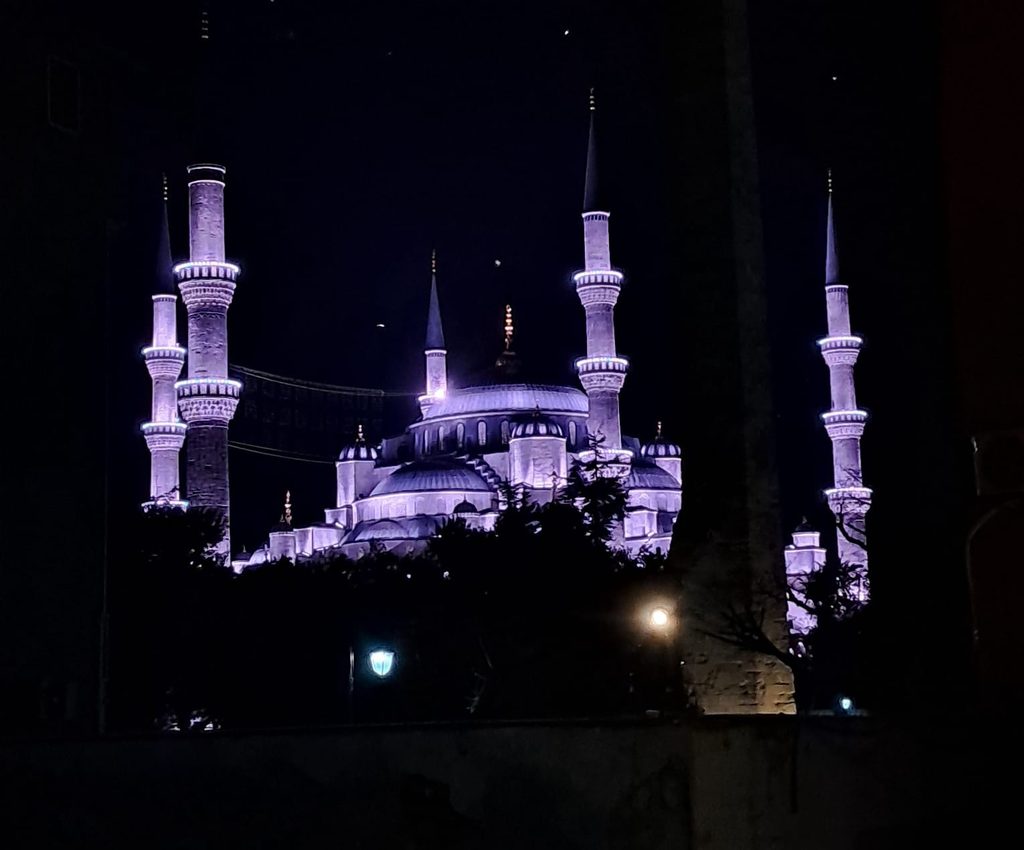
The evening was not over yet. After arriving back in Europe, we walked towards one of Istanbul’s most famous landmarks: the Blue Mosque. Seeing it illuminated at night was truly breathtaking. The beauty and atmosphere of the place made us stop, take photographs and simply admire the moment.
It was the perfect way to end such an emotional and intense day. In the morning, we had said goodbye to our friends in Biga; by the evening, we were standing in the middle of Istanbul, between two continents, surrounded by history and culture.
Eventually, we returned to the hotel, each going back to our own room. We were completely exhausted after another long day, and most of us fell asleep almost immediately.
As we closed our eyes, we realised that although we had left Biga behind, the friendships and memories we had created there would travel home with us. At the same time, a new chapter of our Turkish adventure was just beginning.
Image 12 – Bosphorus Strait (Asia on the other side)
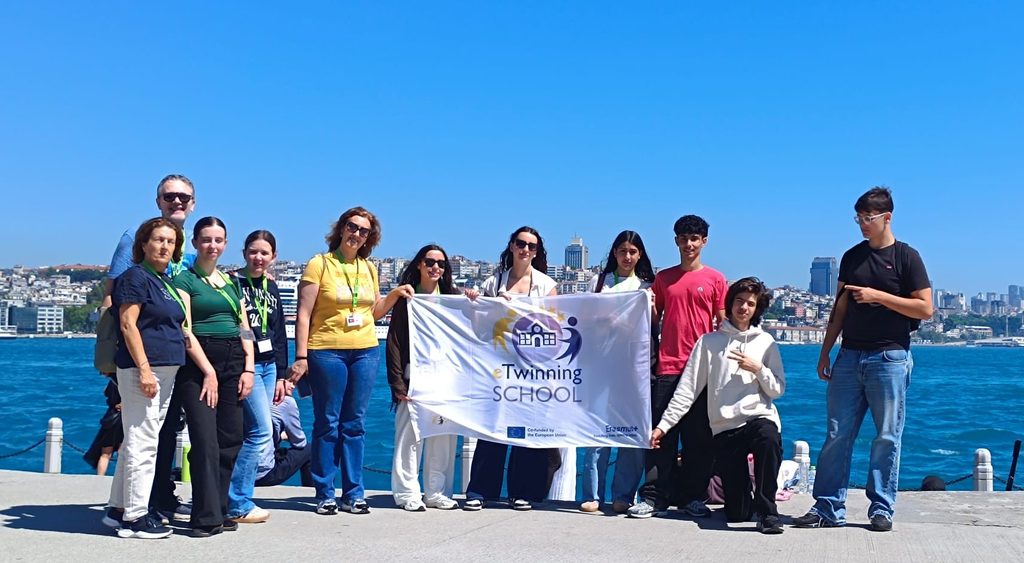
Image 13 – Blue Mosque (Istanbul)
Martim Carvalho and Carolina Duarte (9ºD)
DAY SEVEN – Discovering the Heart of Istanbul
Our seventh day in Turkey began at around 9:00 a.m., when we left the hotel ready to explore the historical heart of Istanbul. After several days of travelling and discovering different parts of Turkey, this was the day we had been waiting for: the opportunity to walk through the streets of one of the most fascinating cities in the world.
Our first destination was Sultanahmet Square, the historical and monumental heart of Istanbul. As we arrived, we immediately realised that this was not just an ordinary square. Everywhere we looked, there were monuments, people, colours and traces of centuries of history. It felt like we were standing at the meeting point of different civilisations.
At around 9:45 a.m., we visited the Blue Mosque, one of Istanbul’s most iconic landmarks and one of the greatest examples of classical Ottoman architecture. Seeing the mosque from the outside was already impressive but being there allowed us to better understand its importance as a religious, cultural and historical symbol of the city. Its magnificent architecture reminded us of the extraordinary artistic heritage left by the Ottoman Empire.
Afterwards, we walked to the nearby Hagia Sophia Grand Mosque. Although we only admired it from the outside, standing in front of such an important monument was an unforgettable experience. Hagia Sophia represents much more than a building. Throughout its long history, it has been connected to both Christianity and Islam and has become a powerful symbol of the meeting between East and West, Byzantine and Ottoman heritage, and different cultures and religions.
Walking between the Blue Mosque and Hagia Sophia made us reflect on how unique Istanbul really is. In very few places in the world can so many different historical periods, religions and cultures coexist in such a visible way.
At around 11:15 a.m., we continued our walk towards Gülhane Park, a beautiful and peaceful green space in the middle of the city. After the busy streets and large crowds, the park offered us a moment to slow down and simply enjoy our surroundings.
At the end of the garden paths, we were rewarded with an incredible view of the Bosphorus Strait and the Sea of Marmara. From there, we could see the Asian side of Istanbul and watch ferries and boats constantly crossing the water. Once again, we were reminded that Istanbul is a truly unique city, connecting two continents and bringing together different worlds.
At around 12:30 p.m., we headed to the Grand Bazaar. Entering this enormous market felt like stepping into another world. With its countless entrances, covered streets and thousands of shops, it was easy to lose track of time — and sometimes even of each other!
The bazaar was full of colours, sounds and smells. Everywhere we looked, there were carpets, lamps, jewellery, clothes, souvenirs and many other traditional products. Of course, bargaining was also part of the experience, and some of us tried our best to negotiate with the shopkeepers, and we did better than our teachers.
Around 2:00 p.m., after several hours of walking and exploring, we finally stopped for lunch. We were tired but happy, and the break gave us the opportunity to share our impressions of everything we had seen during the morning.
Later in the afternoon, at around 4:00 p.m., we visited the Spice Bazaar. This was another unforgettable sensory experience. The market was filled with the aromas of spices, teas, dried fruits and traditional Turkish sweets. Walking through the different stalls made us imagine the importance that Istanbul once had — and still has — as a meeting point on the trade routes between East and West.
At around 5:00 p.m., we crossed the famous Galata Bridge. This was one of the liveliest parts of the city. Ferries moved constantly across the water, seagulls flew above us and fishermen stood along the bridge with their fishing rods. The atmosphere was busy, noisy and incredibly authentic.
After crossing the bridge, we headed towards the Galata District and the famous Galata Tower. The neighbourhood had a completely different atmosphere from the historical area of Sultanahmet. Its narrow streets, cafés, shops and European influences gave it a more modern and artistic character.
As we walked through the district, we realised that Istanbul is a city of contrasts. Ancient and modern, European and Asian, traditional and contemporary — all these different sides coexist and make the city truly unforgettable.
By around 7:30 p.m., we finally returned to the hotel to rest. After walking for so many hours, everyone was exhausted, but there was still one more experience waiting for us.
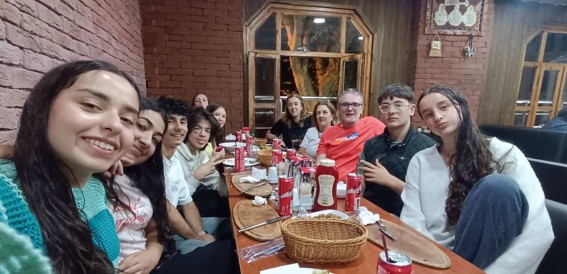
At 9:00 p.m., we went out for dinner at a traditional Turkish restaurant. Sitting together around the table after such a long day gave us time to talk, laugh and remember the best moments of our visit.
As the day came to an end, we realised how much we had experienced in just a few hours. We had walked through centuries of history, visited places where different civilisations had left their mark, crossed markets filled with life and stood between two continents.
Istanbul was not just another city we had visited during our Erasmus+ mobility. It was a place that made us understand, more than ever, how different cultures can meet, coexist and enrich one another.
We returned to the hotel exhausted, but with our cameras full of photographs and our minds full of memories that we knew would stay with us for a very long time.
Image 14 – Gülhane Park (Istanbul)
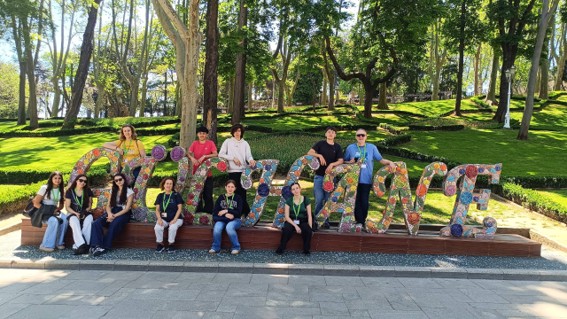
Image 15 – Dinner at a traditional Turkish restaurant in Istanbul
Íris Cidade and Leonor Pinto (9ºD)
DAY EIGHT – The Journey Home
Our final day in Turkey had arrived. At 10:00 a.m. Turkish time (8:00 a.m. in Portugal), we arrived at Istanbul Airport. After checking in and dropping off our luggage, we had some time to explore the shops and have a snack before our journey home.
At 12:20 p.m. Turkish time, we boarded the plane and finally took off towards Portugal. During the four-hour flight, we watched movies, played games and listened to music on the screens in front of our seats.
Lunch was served on board, giving us one last opportunity to enjoy the journey together. Francisca chose pasta with tomato sauce, while Victor had rice with chicken — and, of course, both enjoyed a Pepsi!
At around 4:00 p.m., we finally arrived in Portugal. After collecting our luggage, the moment we had been waiting for arrived: meeting our families and friends again.
Going home felt both happy and emotional. We were excited to be back, but at the same time, we already missed Turkey, our new friends and all the unforgettable moments we had shared.
Our Erasmus+ adventure had come to an end, but we knew that the memories, friendships and experiences we had gained would stay with us for a long time. We returned home tired, happy and already dreaming about our next adventure.
Francisca Lima (9ºC) and Victor Sismeiro (8ºB)