
PROJETO N. º 2025-1-PT01-KA121-SCH-000322797 LANDSCAPES AROUND US – Valência
We started our day arriving at Vigo train station at 8:15 am. After saying goodbye to our parents and going through security, we left for Madrid, a 4-hour trip. We arrived in Madrid at 2:30 pm at Chamartin railway station and checked into the Claridge Hotel at 4:00 pm. Around 5:00 pm we had lunch at Burger King. We spent the rest of the afternoon strolling around the city, first visiting the Moseo Nacional del Prado, one of the most important museums in the world, where we could appreciate famous paintings by Goya, Velasquez, Rubens and many others.
Around 8:30 pm we went to Plaza Mayor, where we had dinner at a tapas restaurant, eating ovos rotos, batatas bravas, and calamares (traditional Spanish food).
After dinner we went to Puerta del Sol and touched the famous statue “Del Oso y el Madroño”. Tourists and visitors have taken up the habit of touching the bear’s tail or heel, repeating the gesture that is performed in similar sculptures around the world with the thought that doing so brings good luck.
Around midnight we arrived at the hotel, exhausted, but with our soul filled with what we have learned just in a single day.
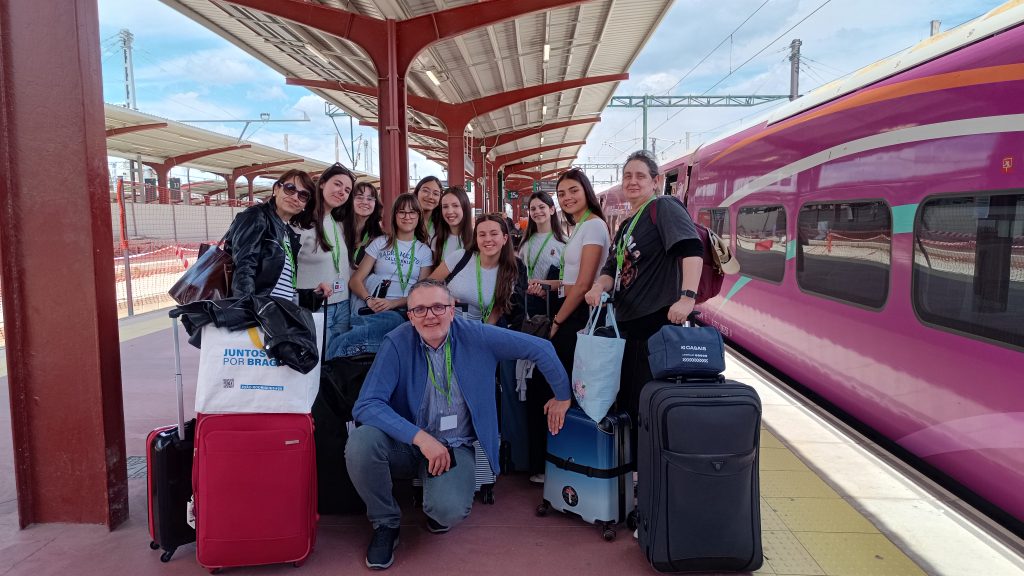
Image 1 – Arriving at Chamartin – Clara Campoamor
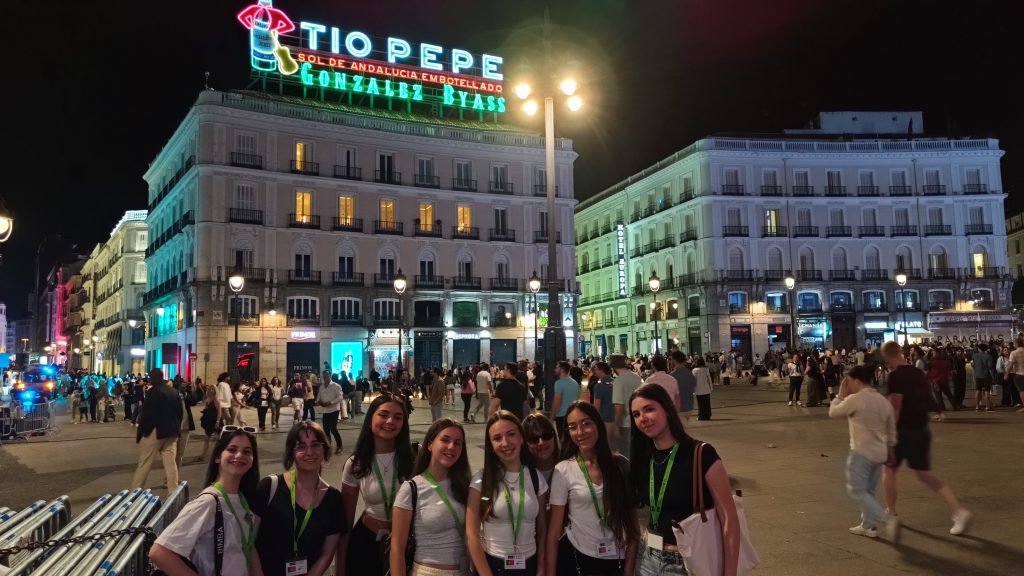
Image 2 – Puerta del Sol
Beatriz Rodrigues and Maria Silva (8ºA)
DAY 19
We started the day at 9:30 am with breakfast at the Claridge Hotel, preparing for a day full of visits and discoveries.
After breakfast we took a bus to the Palacio de las Cortes, where we had the opportunity to see one of the most important buildings in Spanish politics from the outside. Afterwards, we visited San Jerónimo el Real, Puerta de Alcalá, Plaza de Cibeles and strolled through Retiro Park. It was a pleasant moment to appreciate nature, rest a little, and observe the city’s atmosphere.
At 2:30 pm we had lunch at McDonald’s in Puerta del Sol, one of the most famous and central squares in Madrid, taking a break before continuing our visits.
After lunch, we went to see the Royal Palace of Madrid from the outside and explore the area around it. The imposing palace and the beauty of the area left a strong impression.
About 4:00 pm we get back to the hotel to pick our bags and went to Chamartín-Clara Campoamor station where we took the AVE train to Valencia at 5.30 PM.
At 7:30 pm we arrived at Joaquin Sorolla train station where we met with the Spanish group, who have made a fantastic welcome. We went to dinner at a restaurant with typical Spanish food, where we had the opportunity to socialize and learn more about the local cuisine. At the end of the day, after dinner, we returned to rest and went to sleep, ending a very busy and enriching day.
This day allowed us to get to know some of the most emblematic places in Madrid and ended with our arrival in Valencia and a very special moment of conviviality.
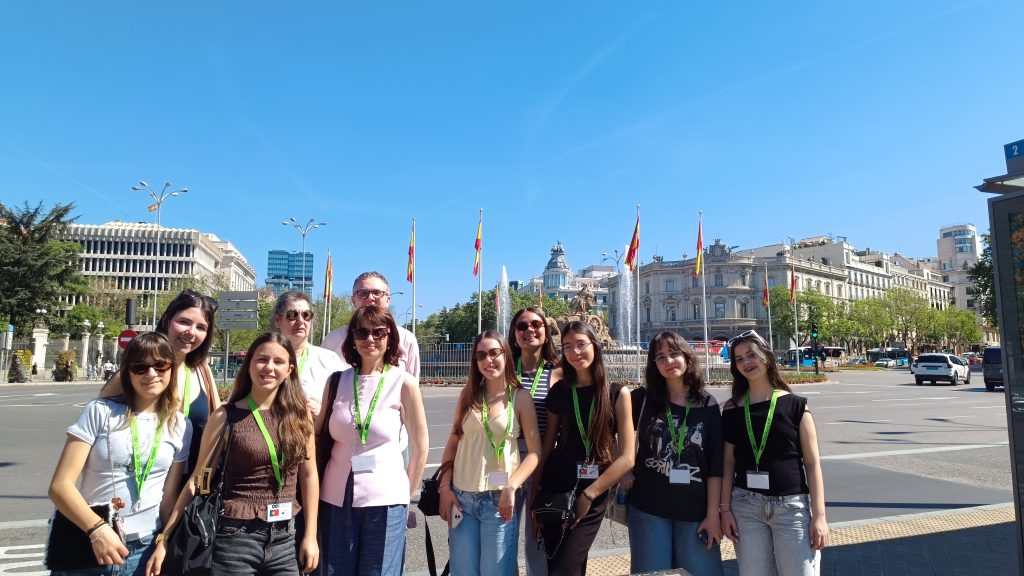
Image 3 – Plaza de Cibeles
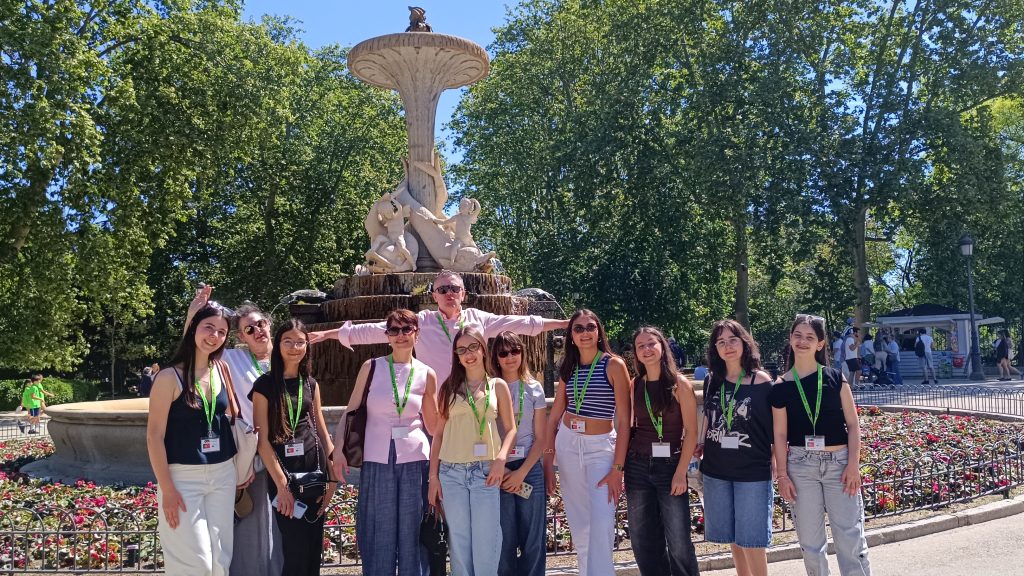
Image 4 – Plaza de Cibeles
Maria Gomes (8ºA) and Maria Gomes (8ºE)
DAY 20
The first day of our Erasmus trip to Valencia and it was an unforgettable experience! We arrived at the secondary school, which they call an institute (IES La Patacona), around 8:15 am where we were welcomed with breakfast in the library.
After breakfast we had a brief presentation and then we left towards the Valencia vegetable garden. Around 12:00 pm we arrived at the Alboraya town hall, where we heard a few words from the mayor and then we tasted a drink called Orchata, very typical of Valencia.
At 3:00 pm we each had lunch at our own homes. In the afternoon they don’t have school, so we had some time where everyone did something different and took the opportunity to get to know their matches better.
At 6.30 pm we all met at the beach for a picnic, where one of the students had the misfortune of being robbed while going into the sea. Our teacher went to Guardia Civil with the student and we did the picnic, but it wasn´t the same.
Overall, it was an incredible day, with a mix of emotions, but it would be perfect if the incident in the beach didn’t happen.
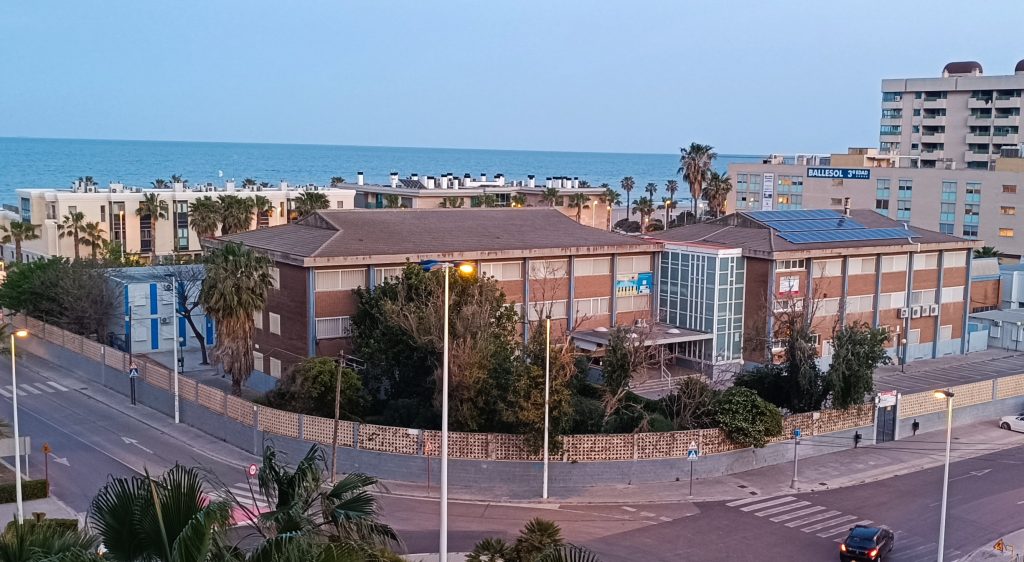
Image 5 – IES La Patacona
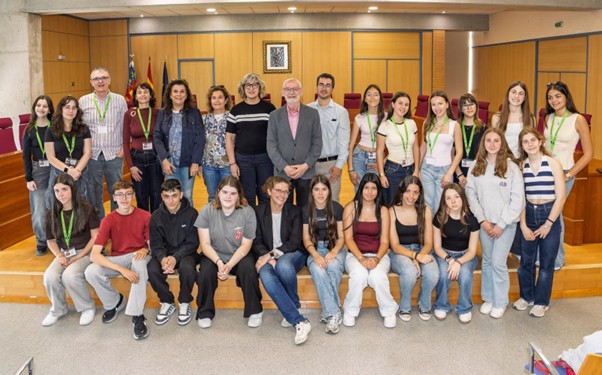
Image 6 – Reception by the Mayor of Alboraya
Diana Meira (9ºB) and Inês Coelho(8ºA)
DAY 21
On the fourth day of our trip through Spain, in the morning, we visited the Oceanogràfic in Valencia, Europe’s largest aquarium, well known for the futuristic architecture of its buildings and the journey through marine ecosystems it offers.
To start, we visited the Arctic pavilion, where, with the help of the guides, we met the only belugas in Europe. These animals nicknamed “canaries of the sea,” belong to the same family as narwhals and are impressive in size: males reach up to 5.5 meters and females up to 4.1 meters. Beyond observing their beauty and diet (fish and molluscs), we learned about the risks they face, such as chemical pollution and oil drilling in the Arctic, which endanger them. We also learned about a high-risk operation carried out by Oceanogràfic to rescue two belugas, Plombier (male, 15 years old) and Miranda (female, 14 years old), from the NEMO aquarium in Kharkiv, Ukraine. The animals were suffering from the stress of Russian bombings and travelled over 3,000 km in 36 hours to reach safety. After visiting the Arctic, we travelled to the other side of the world, Antarctica, where we could observe the penguins. With the help of the guides, we learned more about them; for example, penguins are flightless seabird native to the Southern Hemisphere that have evolved fin-like wings to swim at speeds of up to 35 km/h. Although often associated with ice, they live in diverse climates, with the Galápagos species found near the Equator.
Another highlight of the visit was watching the show at the dolphinarium. It was an incredible display of the dolphins’ intelligence and agility, but it also carried an important message about environmental education and ocean conservation.
And finally, we explored various areas where we saw jellyfish, sea lions, and a huge variety of fish, and we walked through a glass tunnel surrounded by bull sharks and rays swimming all around us.
In the afternoon, we went bowling with the Spanish students, then strolled through the streets of Valencia until we reached a shopping mall and finally went to the home of one of the Spanish students to have dinner there.
It was a day packed with activities, but we all enjoyed the time we spent together and everything we did!
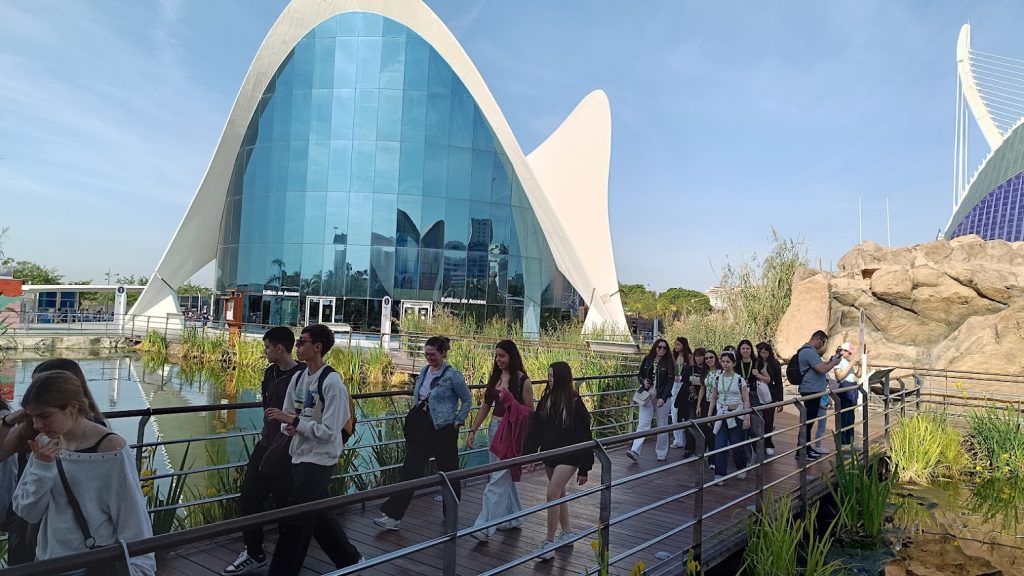
Image 7 – Starting the visit at Oceanogràfic
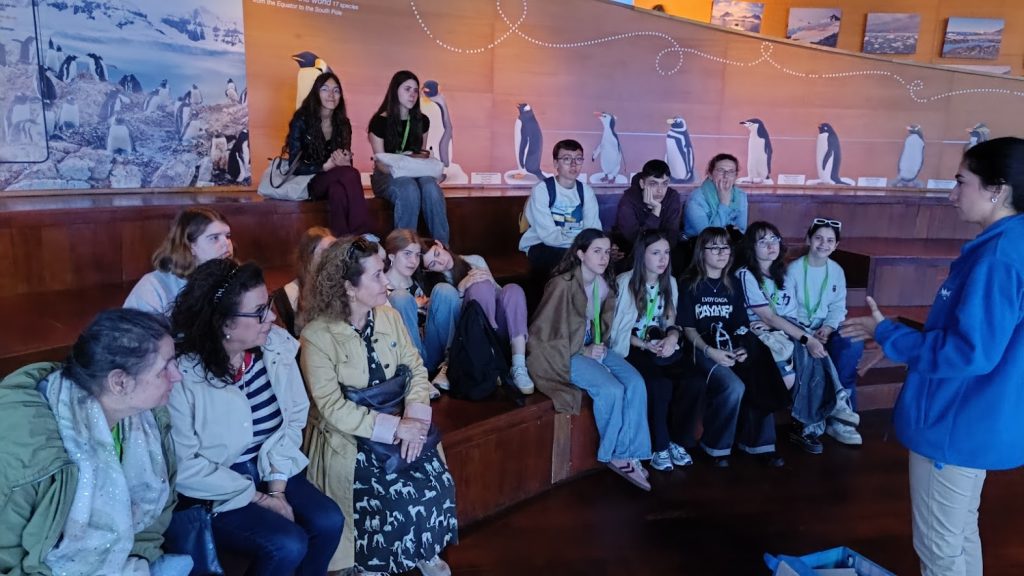
Image 8 – Explanation of pinguins life
Ana Freitas and Luísa Pedro (8ºA)
DAY 22
We started the day by taking a bus to Lake L’Albufera, one of the largest lakes in Spain.
We had a guided boat tour of the lake and discovered that the whole of Valencia could fit inside it. It’s really big (23,94 km2). We saw fish that jump up to 1.50 meters high and several species of birds. We were lucky enough to see two of the only 6 ducks of an endangered breed.
We have also discovered the mysterious life cycle of eels (very strange indeed)! They born in the deep ocean (specifically in the Sargasso Sea) then they make a migration of thousands of miles to spend 5–20+ years growing in many freshwater rivers and lakes of Europe.
After the trip, we filled out a field notebook about the visit. Next, we walked to Playa Lago Saler, where we collected several shells and whelks.
As we had a free afternoon with Spanish students, we went to the Aqua shopping mall, where we got food from Mercadona. We spent the afternoon at the mall doing some shopping. Later in the afternoon (6:30 pm) we went to a famous slides park called “Gulliver”, based on the legend of a giant man lying dead on the ground, but his arms and other body parts are slides. After that, everyone went to their Spanish partner’s house.
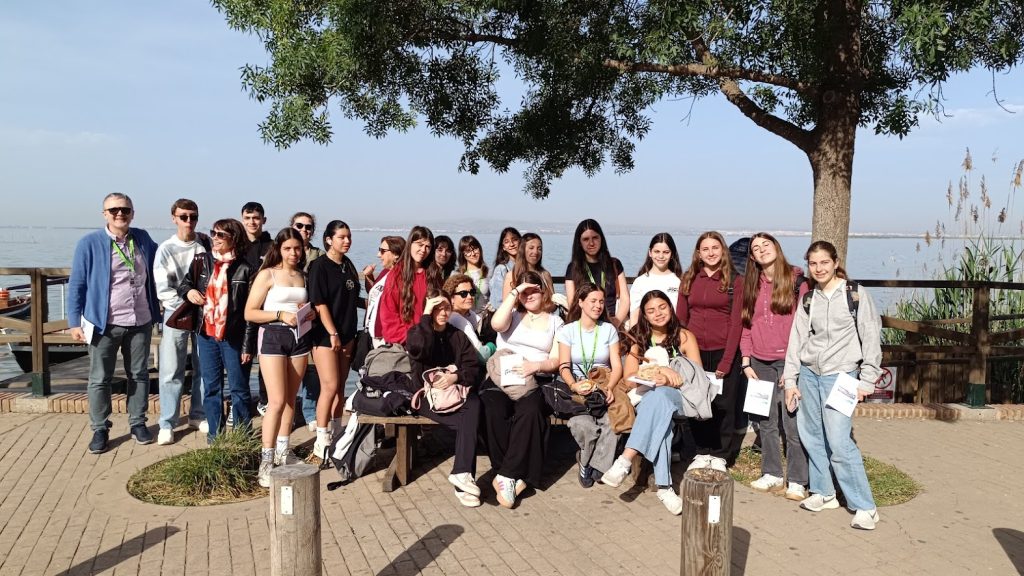
Image 9 – Prepared to visit L’Albufera
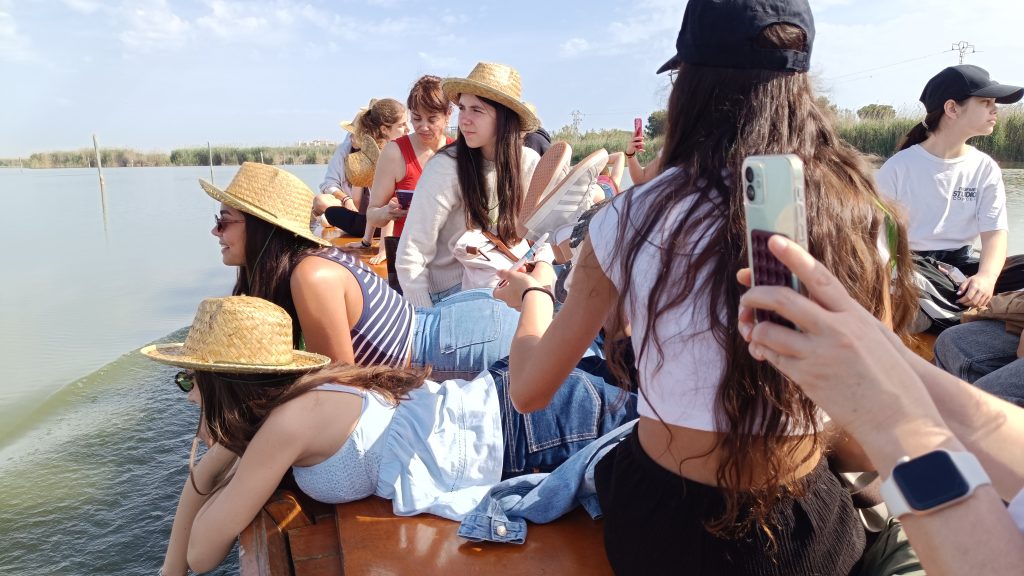
Image 10 – Guided boat tour of the lake
Beatriz Rodrigues and Maria Silva (8ºA)
DAY 23
At 8:30 pm, we started the morning with a bus trip to the center of Valencia, where we began a day dedicated to the historical and cultural discovery of the city.
Until about 13:00 pm, we visited some of the main points of interest in Valencia. We saw Roman remains, the Valencia Cathedral, the silk museum, the Plaza de la Virgen and the Serrana towers.
At 12:00 we could see the Tribunal de Las Aguas, outside the Door of the Apostles in the Plaza de la Virgen, which is a tradition kept alive for thousands of years. The tribunal is made up of eight farmers who still wear the typical black blouse of the Huerta (the irrigated fields around Valencia). The members are democratically elected every two years by the farmers who use the irrigation system in the Huerta. It was a very rich morning in learning about Valencian history and culture.
After that, and without the teachers, only with our new friends, we went to see the famous Estació del Nord. Then, we had takeaway pasta for lunch at the Asta La Pasta restaurant.
We went to Bioparc Valencia intending to visit it. However, due to setbacks in purchasing tickets, we were unable to enter and ended up not visiting. We returned to the center of Valencia and enjoyed took advantage of the rest of the afternoon to stroll and do some shopping, socializing in a group and exploring the city better until around 9:00 pm.
At the end of the day, each student returned home to have dinner with their respective host family, ending the day in a more familiar and cultural environment.
This day allowed us to get to know some of the most emblematic places in Valencia, to connect with its historical heritage and to experience moments of conviviality and autonomy, despite the unforeseen event at the Biopark. It was another enriching day full of experiences.
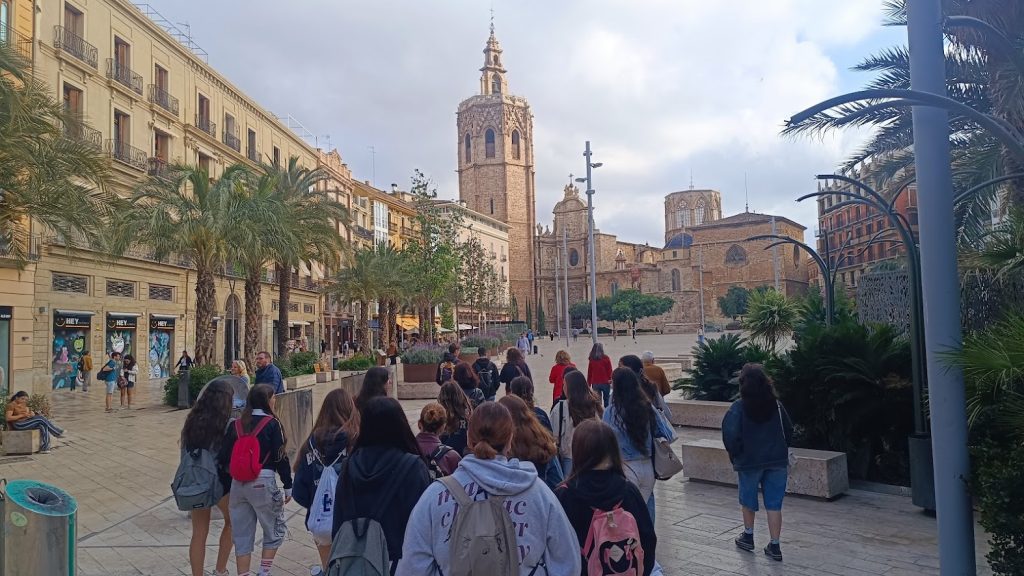
Image 11 – Plaza de la Reina and Valencia Cathederal
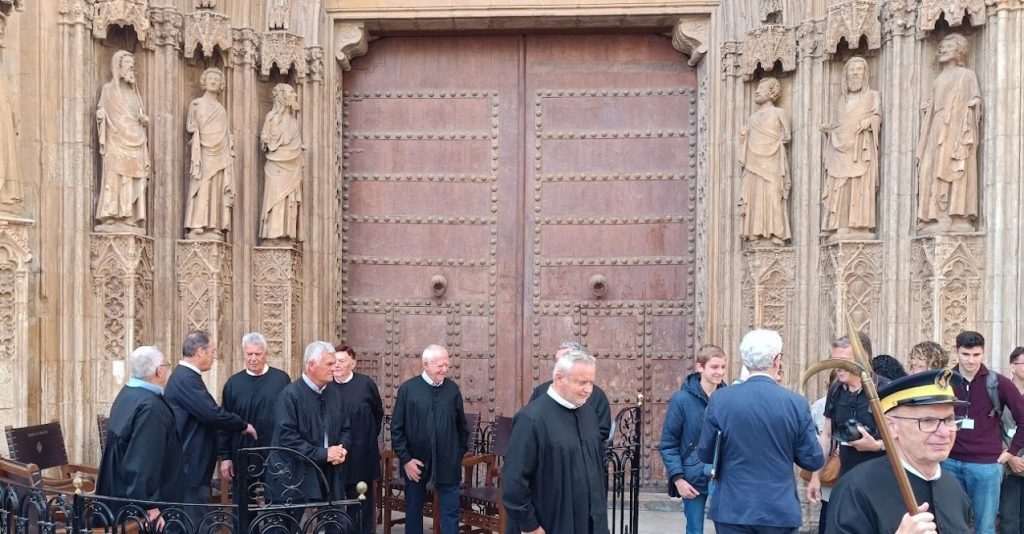
Image 12 – Tribunal de Las Aguas
Maria Gomes (8ºA) and Maria Gomes (8ºE)
DAY 24
This Friday, April 24th, was our last day in Valencia. In the morning we met at school at 8:15 and went to the library to do some work about our departures, paint some t-shirts with them, making stronger our friendship, and receive our Erasmus+ participation certificates.
Lunch was paella, a typical dish of the region, which we ate at school with the teachers in the Green Class, which is a place outside with tables, whiteboard, and sunroof where students can have classes. After lunch we stayed at school a little longer,chatting with each other.
In the afternoon, we walked to a park in the center, arriving there around 4:30, played some games, did some activities, and stayed there for the rest of the afternoon. When we realized it was already 8:30 pm, we took the metro home to finish packing our bags, so the next day we didn’t have to wake up too early.
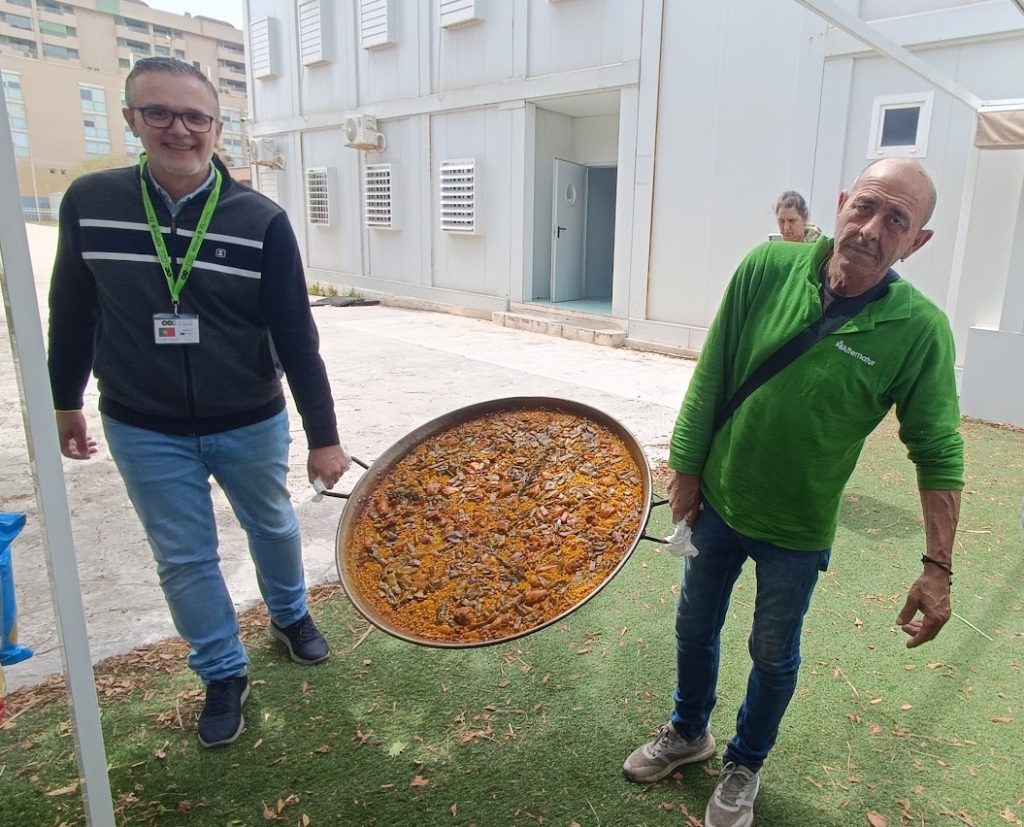
Image 13 – Typical paella from Valencia
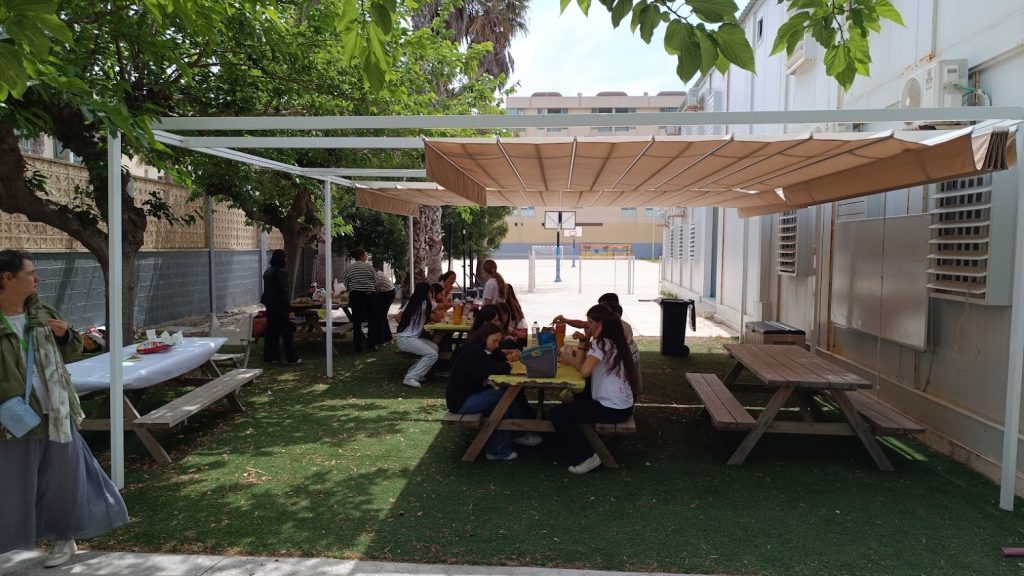
Image 14 – Green class
Diana Meira (9ºB) and Inês Coelho(8ºA)
DAY 25
On the last day of our trip in Spain, we all woke up early to head to the Valencia train station. Upon arrival, we said goodbye to our host families and exchange partners. It was an emotional moment that marked the end of our experience in Valencia.
We then headed to Madrid on a two-hour train ride. Upon arriving in the capital, we transferred to a high-speed train that took us to our final destination, Vigo, in four hours. We were exhausted from the trip, but our luggage was filled with memories from our Erasmus journey.
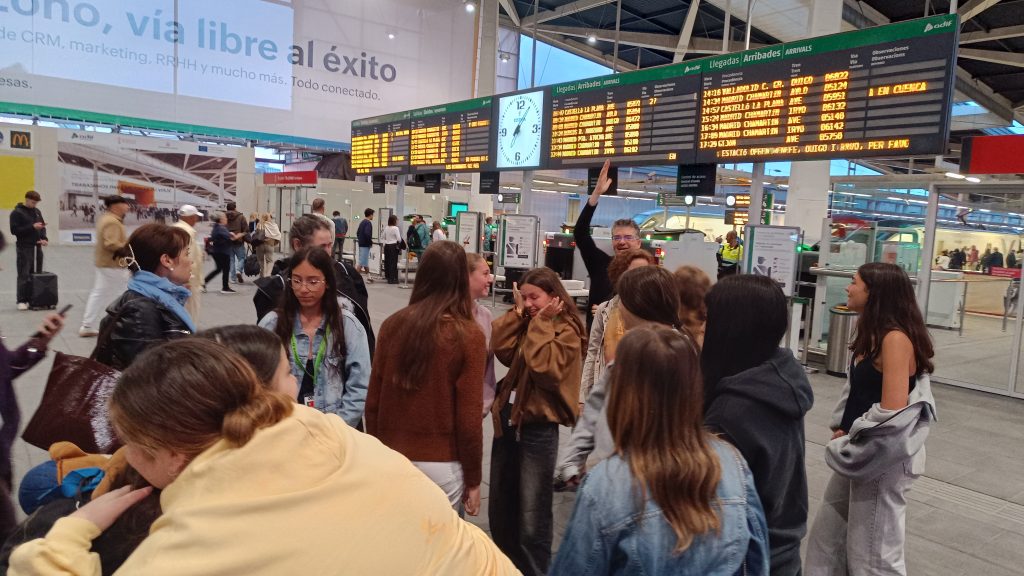
Image 14 – Saying goodbye to our friends
Ana Freitas and Luísa Pedro (8ºA)